If you keep a plastic squeeze bottle of drugstore lubricant eye drops on your computer desk to soothe late-afternoon screen burn, check the lot number immediately. What promised quick, cooling hydration may present a genuine microbiological hazard.
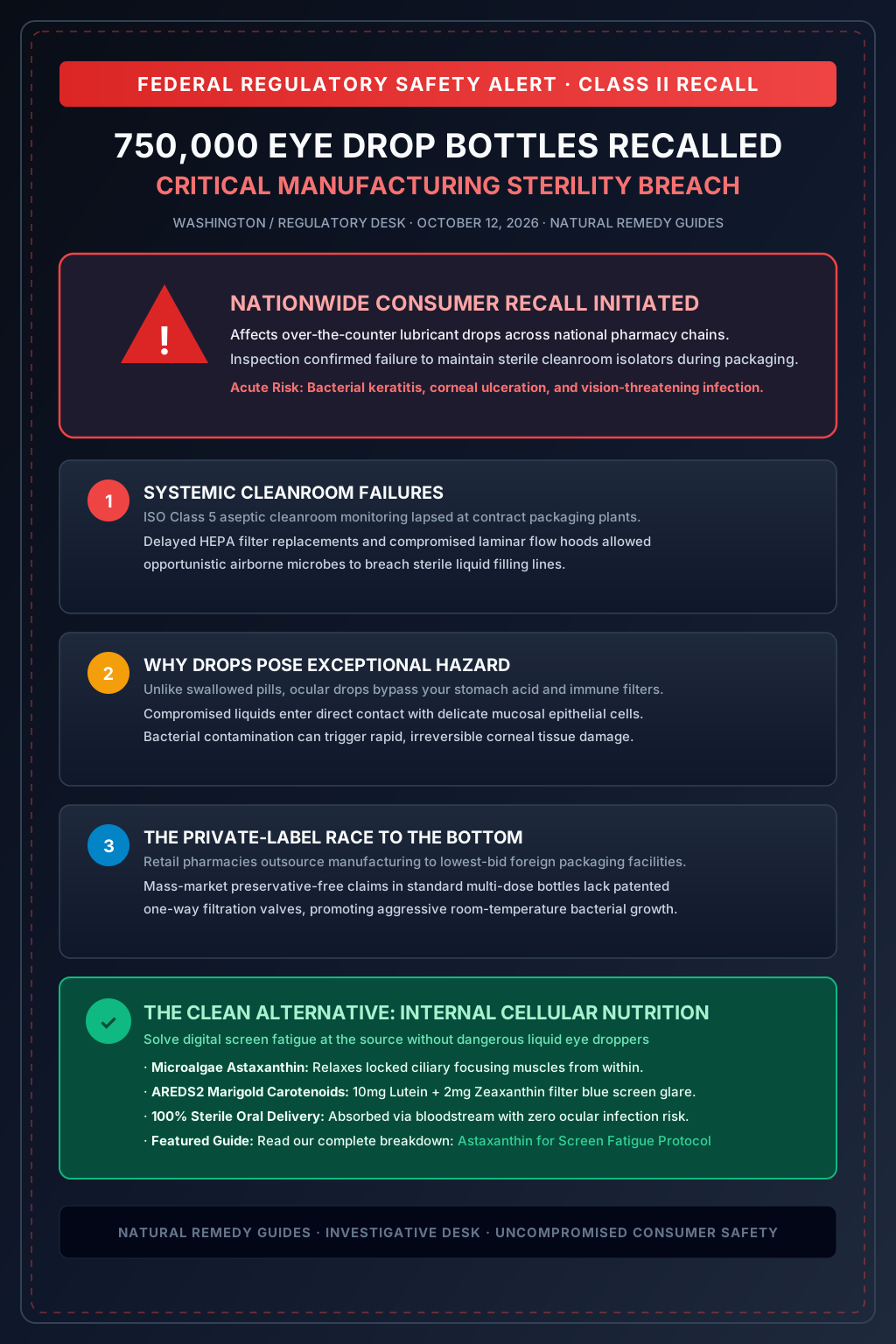
The U.S. Food and Drug Administration (FDA) initiated an extensive Class II nationwide recall encompassing nearly 750,000 bottles of over-the-counter ophthalmic solutions distributed through major retail pharmacies and healthcare suppliers nationwide. Regulatory enforcement filings confirm that multiple lots of lubricating drops—including private-label formulas produced for national chains such as Walgreens, AvKare, and Reliable-1 Laboratories—flunked basic manufacturing sterility assurances.
The enforcement action centers on systemic Current Good Manufacturing Practice (cGMP) breaches at contract manufacturing sites, where cleanroom environmental monitoring failed to guarantee microbial isolation during aseptic filling.
Ophthalmic solutions must remain 100% sterile because drops bypass your body's primary immune barriers, entering direct contact with delicate mucosal tissues and corneal epithelia. Introducing compromised, non-sterile liquid into the eye carries acute risks of bacterial keratitis, severe corneal ulceration, systemic endophthalmitis, and permanent vision impairment.
A Broken Factory Floor Habit
Why do retail drugstore shelves suffer recurring ophthalmic contamination scares year after year?
The root cause is aggressive corporate cost-cutting in private-label contract manufacturing. When retail pharmacies compete in a race to the bottom to sell $6 plastic dropper bottles, they outsource formulation to low-cost packaging plants running continuous high-volume assembly lines. Maintaining true ISO Class 5 aseptic cleanrooms requires meticulous laminar airflow validation, automated particulate sampling, and strict gowning protocols.
When contract facilities cut corners on autoclave sterilization cycles or delay cleanroom HEPA filter replacements, opportunistic microbes slip into packaging batches.
Compounding the problem, millions of desk workers instinctively squeeze chemical drops into their eyes several times a day. People treat synthetic eye drops like harmless bottled water. In reality, chemical preservatives like benzalkonium chloride (BAK) degrade natural goblet cells and strip the eye’s native lipid layer, creating a vicious cycle of rebound dryness that drives consumers to buy even more bottles.
The Limits of External Wetting Agents
This latest nationwide recall underscores an essential truth about modern eye wellness: splashing temporary liquid onto your eyeball does nothing to resolve digital screen fatigue.
When your eyes ache after eight hours staring at spreadsheets or smartphones, your discomfort does not stem from a lack of synthetic petroleum-derived carboxymethylcellulose. It stems from accommodative exhaustion inside your eye’s internal ciliary muscle, paired with oxidative strain on retinal photoreceptors.
Topical drops cannot diffuse past the dense corneal barrier to relax a locked ciliary muscle. They wash away into your tear ducts within minutes.
Steps to Safeguard Your Vision
To protect your eyes from tainted retail batches and break dependence on unsterile dropper bottles:
- 1. Audit Your Medicine Cabinet: Inspect all bottles of store-brand lubricating drops, artificial tears, or redness-relieving solutions. Discard any open container older than 30 days or any lot flagged in the FDA’s enforcement database.
- 2. Never Touch the Dropper Tip: Touching the plastic nozzle to your eyelashes, fingertips, or countertop instantly seeds the bottle with aggressive bacterial colonies that multiply in room-temperature fluid.
- 3. Beware of Multi-Dose Preservative-Free Packaging Claims: If a product claims to lack antimicrobial preservatives but arrives in a standard squeeze bottle lacking a patented one-way micro-filter valve, discard it immediately.
- 4. Switch to Internal Cellular Nutrition: True visual endurance comes from within. Clean carotenoids—specifically microalgae Astaxanthin, marigold Lutein, and Zeaxanthin—circulate through your bloodstream directly into ocular tissues, quenching oxidative stress and soothing tired ciliary muscles with zero risk of bacterial contamination.
Natural Remedy Guides continues monitoring federal laboratory enforcement actions and ophthalmic safety warnings.