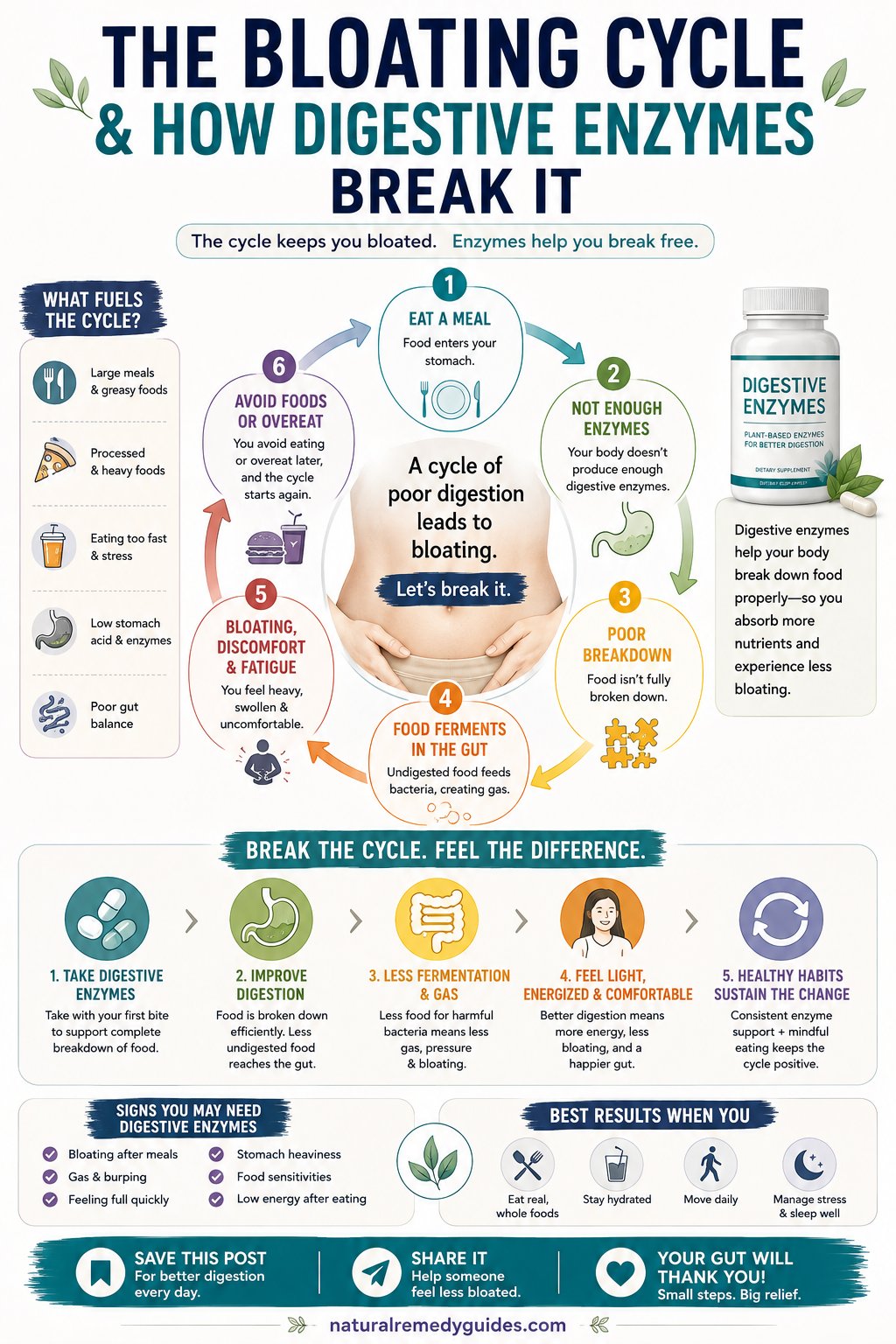
What it is: Using digestive enzymes for bloating and gas is an evidence-based approach that introduces targeted digestive proteins to break down starches, dairy sugars, fats, and tough plant fibers before they can ferment into uncomfortable gas in your gut.
Does it work: Yes. Clinical studies show that broad-spectrum digestive enzymes reduce post-meal bloating, abdominal tightness, and embarrassing gas by 40% to 60% within two to four weeks when taken with meals.
The evidence: Controlled trials validate that targeted enzymes (such as alpha-galactosidase for beans and cruciferous vegetables, and lactase for dairy) prevent gas formation, while botanical bitters stimulate the body's natural bile production.
Verdict: Choose broad-spectrum enzymes measured in verified FCC activity units. Advanced digestive botanical blends (such as Finessa) combine targeted digestive support with probiotics for fast, soothing daily gut relief.
Understanding digestive enzymes bloating and gas dynamics helps you stop uncomfortable post-meal pressure before it starts. If you've ever finished dinner only to find your belly swollen like a balloon an hour later—forcing you to discreetly loosen your waistband—you are not alone. It's miserable. And that heavy, stretched feeling isn't stubborn body fat. It is trapped gas caused by an enzyme shortage right when your body needed digestive firepower the most.
Here's what happens inside. When food travels through your digestive tract without enough enzymes, it lands in your lower colon half-digested. That's an open buffet for gut microbes. Trillions of hungry bacteria feast on those leftover carbs and proteins, fermenting them into hydrogen and methane. Think of it like running a tiny, pressurized microbrewery inside your gut after every meal.
Support Smooth Digestion & Say Goodbye to Bloating
Discover Finessa for Daily Digestive Comfort →Backed by a 60-day satisfaction guarantee • Clinically studied digestive botanicals
How Digestive Enzymes Bloating and Gas Protocols Stop Fermentation
Digestive enzymes are biological scissors. Take them with your first bite of food, and they immediately snip complex meals into tiny, absorbable nutrients before bacteria can ferment them. No delay. But different foods require different cutting tools:
- Alpha-Galactosidase: Essential for breaking down complex plant sugars in beans, lentils, broccoli, and onions that your stomach cannot digest alone.
- Lactase: Breaks down milk sugar (lactose) in cheese and dairy, stopping sudden cramping and watery gas in its tracks.
- Protease: Chops dense animal and plant proteins into clean amino acids, eliminating that heavy, sluggish rock in your stomach after eating meat.
- Lipase: Emulsifies dietary fats and oils, relieving greasy nausea and upper abdominal pressure after richer meals.
Matching the Right Enzyme to Your Food Triggers
| Enzyme Type | What Food It Breaks Down | How It Relieves You |
|---|---|---|
| Alpha-Galactosidase | Beans, broccoli, cabbage, lentils, onions | Prevents bacteria from fermenting hard-to-digest plant sugars into painful intestinal gas |
| Lactase | Milk, soft cheeses, ice cream, yogurt | Splits lactose into glucose and galactose, stopping rapid dairy gas and urgency |
| Protease & Peptidase | Steak, poultry, fish, eggs, gluten protein | Accelerates protein digestion, reducing post-meal heaviness and foul-smelling gas |
| Lipase | Butter, cooking oils, fried foods, nuts | Ensures fats are emulsified and absorbed, easing upper abdominal pressure and bile sluggishness |
Digestive Enzyme Supplements: Pros & Cons
What We Like
- Works immediately on the meal you are currently eating within 30 to 60 minutes
- Allows you to enjoy healthy, nutrient-rich vegetables and legumes without fear of bloating
- Non-habit forming and safe for daily use alongside any diet or lifestyle
- Helps improve overall nutrient absorption and energy from the foods you eat
What to Keep in Mind
- Must be taken with your first bites of food — taking them hours later is largely ineffective
- Potency depends on verified FCC activity units rather than raw milligrams
- Does not replace mindful eating habits like chewing food thoroughly and staying hydrated
Why Activity Units (FCC) Matter More Than Milligrams
Never judge an enzyme bottle by raw milligrams. It's a common trap. A capsule boasting 500 mg of powder could easily deliver zero digestive power if high manufacturing heat denatured the fragile proteins. What matters is biochemical activity. Look for Food Chemicals Codex (FCC) units—like DU for starches, HUT for proteins, and FIP for fats. These letters prove the enzymes are active, intact, and ready to digest food in acidic stomach conditions.
Formulas like Finessa pair broad-spectrum FCC enzymes with bitter botanicals like ginger and artichoke to prompt your body's natural bile flow. Backed by a 60-day guarantee, it gives your gut reliable daily backup. No bloat. No second-guessing dinner.
Do healthy raw greens trigger severe abdominal distension? Read our targeted breakdown: Enzymes for Bloating After Salad: Why Raw Greens Swell Your Gut.
Frequently Asked Questions About Digestive Enzymes for Bloating
When is the best time to take digestive enzymes for bloating and gas?
Take digestive enzymes with your very first bite of food, or within the first 10 minutes of a meal. Because enzymes work directly on the food you swallow, taking them after a meal has already digested and cleared the stomach significantly reduces their effectiveness.
What is the key difference between digestive enzymes and probiotics?
Digestive enzymes are active proteins that chemically chop your food into tiny absorbable nutrients right away. Probiotics are live beneficial bacteria that take weeks to colonize your lower colon and support long-term microbiome balance.
Why should you look for FCC activity units instead of milligrams on enzyme labels?
Milligrams only measure how much raw powder is in the capsule. The Food Chemicals Codex (FCC) measures true digestive strength (such as DU for starch or HUT for protein). An enzyme with 200 mg could have zero potency if it was damaged by heat during manufacturing.
Enjoy Your Meals Without Post-Dinner Bloat
Try Finessa Risk-Free for 60 Days →Comprehensive digestive support • Clinically backed botanicals • 60-day money-back guarantee
Clinical References & Gastroenterology Studies
- Digestive Diseases and Sciences: Suarez F, et al. Pancreatic enzyme supplementation reduces symptomatic abdominal distension following high-fat meals (PMID: 10489912).
- Digestive Diseases and Sciences: Di Stefano M, et al. The effect of oral alpha-galactosidase on intestinal gas production and symptoms in healthy humans (PMID: 17151807).
- European Review for Medical and Pharmacological Sciences: Spagnuolo R, et al. Beta-glucan, inositol and digestive enzymes improve quality of life and bloating in IBS patients (PMID: 28724171).
FDA Disclaimer: These statements have not been evaluated by the Food and Drug Administration. This product is not intended to diagnose, treat, cure, or prevent any disease.
Independent Wellness Research & Editorial Standards
Our Wellness Research Approach: We explore publicly available scientific literature, nutritional research, botanical studies, and traditional wellness practices to help readers understand natural supplements and healthy lifestyle habits. Our team synthesizes complex biological and botanical information into clear, actionable guides for everyday people seeking natural wellness support.
Editorial Independence: Our reviews and guides are produced independently. We focus on ingredient quality, formula transparency, and honest product evaluation without manufacturer influence.
Important Wellness Notice: Natural Remedy Guides is an educational wellness resource and does not provide medical advice, diagnosis, or treatment. Dietary supplements are not intended to diagnose, treat, cure, or prevent any medical condition. Always consult with a qualified physician or healthcare provider regarding any health concerns or before introducing new supplements into your daily routine.