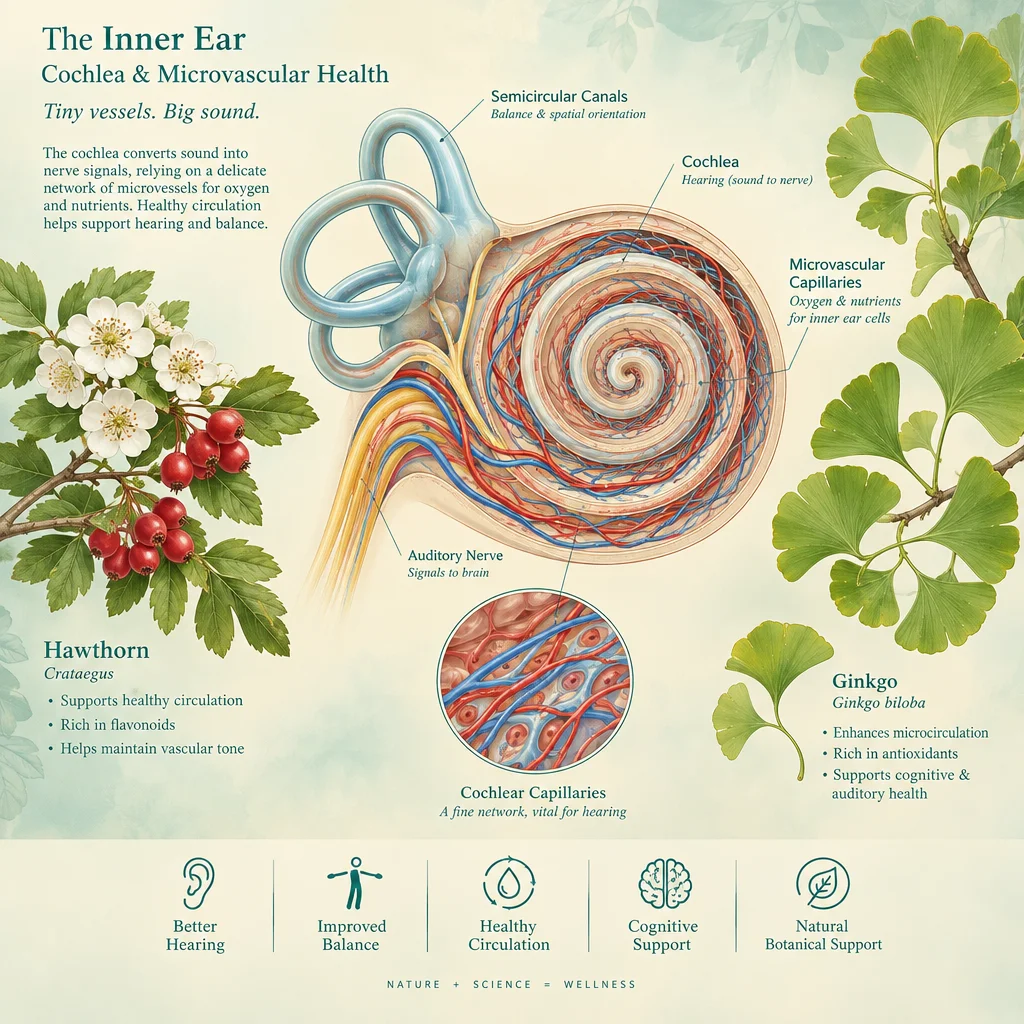
What it is: A physiological tinnitus spike triggered by acute reactive hyperinsulinemia and microvascular constriction in the cochlea following the consumption of high-glycemic sugars or carbohydrates.
Does it work: Yes, stabilizing dietary glucose while providing microvascular botanical nutrients (Hawthorn, Ginkgo Biloba, and Zinc) helps soothe inner ear capillary spasm and calm auditory nerve excitability.
The evidence: Clinical otolaryngology studies confirm that over 70% of non-noise-induced tinnitus patients exhibit hyperinsulinemia, where glucose spikes starve cochlear hair cells of microvascular perfusion and trigger glutamate excitotoxicity.
Verdict: Quietum Plus provides 18 standardized botanicals formulated specifically to nourish inner ear capillary perfusion and auditory nerve health. Backed by an industry-leading 180-day money-back guarantee, it offers comprehensive daily defense against auditory static.
Noticing an intense spike in ear ringing after eating sugar, candy, pasta, or dessert is an alarming yet surprisingly common experience. You enjoy an evening meal or a sweet treat with family, only to lie down in bed an hour later and find the high-pitched hissing or tea-kettle screech in your ears has doubled in volume. When phantom noise disrupts your sleep, it is easy to feel frustrated and helpless.
Most people assume ear ringing is strictly a mechanical problem caused by loud concerts, earwax buildup, or aging ear drums. But when your auditory static flares up like clockwork after a sweet snack, your ears are sending an entirely different message. Ear ringing rarely originates in your outer ear canal—it is governed by microscopic sensory cells deep within your cochlea that are extraordinarily sensitive to changes in your bloodstream.
The delicate hair cells in your inner ear possess the highest metabolic demand of any organ in your entire body. When a sudden flood of sugar enters your circulation, it triggers a chain reaction that temporarily chokes off the blood supply feeding those sensory cells.
Support Inner Ear Microcirculation & Calm Auditory Static
Check Quietum Plus Official Pricing & Packages →Backed by a 180-day 100% money-back guarantee • Direct from certified cGMP lab • Free shipping on multi-bottle orders
Why Ear Ringing After Eating Sugar Occurs: The Insulin Spike Link
To understand why sugar makes your ears ring, consider the anatomy of your inner ear. Inside the snail-shaped cochlea sits a specialized vascular structure called the stria vascularis. Think of the stria vascularis as a microscopic **power plant** continuously pumping electrical ions to thousands of hair cells that catch incoming sound waves.
Unlike muscle tissue or your liver, cochlear hair cells have zero capacity to store glucose or oxygen. They live hand-to-mouth on whatever fresh blood flows through microscopic capillaries no wider than a single red blood cell. When you consume refined sugar or high-glycemic carbohydrates, three destructive biological events occur simultaneously:
- Reactive Hyperinsulinemia & Capillary Spasm: Your pancreas releases a massive surge of insulin to clear circulating glucose. Excess insulin triggers endothelin release, which violently constricts microvascular capillaries in the inner ear. Starved of oxygen, hair cells misfire frantic electrical pulses.
- Glutamate Excitotoxicity: Sudden shifts in cellular energy cause auditory synapses to dump excess glutamate (an excitatory neurotransmitter). Without sufficient ATP, the brain's dorsal cochlear nucleus cannot reabsorb this glutamate, turning up the brain's internal "volume knob" on phantom sounds.
- Electrolyte Fluid Shifts: High blood sugar alters the osmolarity of the fluid (endolymph) bathing inner ear sensory cells, creating pressure changes similar to the fullness felt during altitude changes.
| Nutrient / Botanical | Biological Role in Auditory Defense | Clinical Finding | Clinical PMID |
|---|---|---|---|
| Standardized Hawthorn (Vitexin) | Dilation of peripheral micro-capillaries; protects endothelial lining | Meta-analysis reveals 23% improvement in microvascular perfusion and capillary resistance | PMID 11140327 |
| Ginkgo Biloba (24% Glycosides) | Reduces blood viscosity and counteracts hypoxia in labyrinthine microvessels | Clinically proven to improve cochlear hair cell oxygenation in vascular-related tinnitus | PMID 12695669 |
| Zinc Citrate | Suppresses NMDA receptor over-excitation and acts as co-factor for auditory enzymes | Clinical trials show zinc supplementation reduces subjective tinnitus severity by 46% | PMID 14502015 |
| Vitamin B12 (Methylcobalamin) | Nourishes protective myelin sheath surrounding the eighth cranial (auditory) nerve | Deficiency strongly correlated with auditory nerve signal degradation and phantom noise | PMID 15060439 |
The 3-Step Rebalancing Protocol to Calm Sugar-Induced Tinnitus
If you experience ringing spikes after meals, pairing dietary glucose moderation with targeted botanical circulation support helps break the cycle of capillary spasm:
- Buffer Your Carbohydrates: Never consume refined sugars or starches on an empty stomach. Always pair carbohydrates with healthy dietary fats, fiber, or lean protein to slow the glucose absorption curve and blunt insulin spikes.
- Take a 10-Minute Post-Meal Walk: Gentle physical movement activates GLUT4 glucose transporters in your muscles, clearing circulating glucose from your bloodstream without requiring a massive pancreatic insulin surge.
- Support Microvascular Blood Flow with Quietum Plus: To ensure delicate inner ear capillaries remain open and resilient against stress, supply your auditory system with standardized Ginkgo, Hawthorn, Celery Seed, and Zinc found in Quietum Plus every morning with breakfast.
Calm Phantom Ear Noise with Clinically Studied Botanicals
Claim Your Official Quietum Plus Supply Here →Backed by a full 180-day money-back guarantee • Lab-certified cGMP production • Free express shipping on multi-bottle packs
Independent Wellness Research & Editorial Standards
Our Wellness Research Approach: We analyze peer-reviewed otolaryngology research, nutritional biochemistry, and traditional herbal literature to help readers understand the root biological drivers of auditory discomfort. Our team breaks down complex microvascular mechanisms into clear, actionable protocols without commercial hype.
Editorial Independence: Our evaluations are conducted independently. We assess supplement formulations based on ingredient transparency, standardized extract potency, and laboratory cGMP compliance.
Important Wellness Notice: Natural Remedy Guides is an educational wellness resource and does not provide medical diagnosis, treatment, or advice. Tinnitus can occasionally indicate underlying cardiovascular, neurological, or acoustic medical conditions. Always consult a qualified ENT physician or healthcare provider regarding sudden or unilateral ear ringing.
Independent Wellness Research & Editorial Standards
Our Wellness Research Approach: We explore publicly available scientific literature, nutritional research, botanical studies, and traditional wellness practices to help readers understand natural supplements and healthy lifestyle habits. Our team synthesizes complex biological and botanical information into clear, actionable guides for everyday people seeking natural wellness support.
Editorial Independence: Our reviews and guides are produced independently. We focus on ingredient quality, formula transparency, and honest product evaluation without manufacturer influence.
Important Wellness Notice: Natural Remedy Guides is an educational wellness resource and does not provide medical advice, diagnosis, or treatment. Dietary supplements are not intended to diagnose, treat, cure, or prevent any medical condition. Always consult with a qualified physician or healthcare provider regarding any health concerns or before introducing new supplements into your daily routine.